


We often reach for a compressor when we are looking to control dynamics. It is the go-to tool for keeping a lead vocal locked into the center of attention in a dense mix. But if you are relying on just one compressor to handle all the dynamic heavy lifting, you might be squashing your track.
While squashed dynamics can be a stylistic choice in many music genres, there are also plenty of cases where you’d prefer a more natural-sounding result while still getting the dynamic control you’re aiming for.
Let’s look at why using multiple compressors with gentle gain reduction is almost always going to result in more transparent dynamic control than using one compressor with heavy gain reduction.
Single Compressor Workload
When you send a dynamic vocal performance to a single compressor and ask it to pull down 5 or 6 decibels of gain reduction, that compressor has to work incredibly hard. The compressor is forced to react to the sharp, sudden transients as well as the long, sustained vowel sounds simultaneously.
This is where the illusion of a natural performance falls apart. Heavy gain reduction on a single unit often results in audible pumping, distorted transients, and a crushed sound. Your listeners might not be audio engineers, but they will instantly recognize that the vocal sounds different compared to the other tracks on their playlist. If your references don’t have audible compression, you will have to split the workload to match the style.
Splitting the Workload
To obtain transparent dynamic control, we need to split the workload. Serial compression is simply the act of placing two or more compressors in a row on the same channel. Instead of asking one compressor to aggressively reduce the volume by 6 decibels, you ask two compressors to gently reduce the volume by 2 or 3 decibels each.
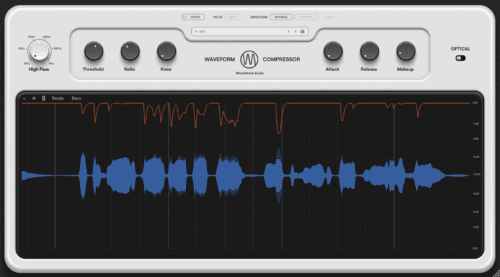
Think of the first compressor as a strict gatekeeper. It is there purely to catch the loudest, fastest spikes in the audio. Once the rogue peaks are controlled, the signal flows into the second compressor. This second compressor acts like a smooth blanket, gently leveling out the overall volume of the performance.
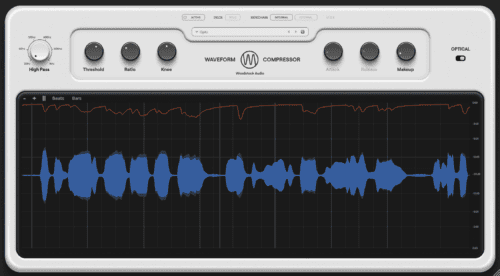
Because the workload is divided, neither compressor is pushed past its sweet spot. You get all the glue and consistency of heavy compression without the nasty artifacts.
How to Implement Serial Compression
Here is how to set up a serial compression chain on your next lead vocal:
- Load a fast compressor first: Place a fast-acting compressor like an 1176 FET emulation at the top of your chain.
- Catch the peaks: Set a fast attack and a fast release. You only want this compressor to grab the loudest transients and then immediately let go.
- Limit the gain reduction: Adjust the threshold so you are only seeing 2 to 3 decibels of gain reduction on the absolute loudest sounds. For the rest of the vocal, the needle should not be moving at all.
- Add a smooth leveling compressor: Insert an optical compressor like an LA-2A directly after the first unit.
- Control the body of the sound: Optical compressors have a naturally slower attack and release. Pull down the threshold until you see a steady, musical 2 to 3 decibels of gain reduction throughout the performance.
- Gain stage properly: Use the makeup gain on both compressors to ensure your output volume matches your input volume. You want to hear the tonal changes, not just a louder signal.
The Closing Takeaway
By chaining two compressors together and treating the peaks separately from the body of the sound, you retain the organic energy of the recording while achieving a rock-solid, radio-ready vocal.