


The vocal is the undeniable anchor of almost every modern pop song. Today, we are going to explore creative vocal production techniques that bridge the gap between a bedroom production and a professional record. These concepts will help you build your tracks from the ground up, adding rhythm and unexpected textures along the way.
1. Building Your Vocal Stack
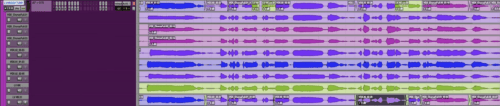
Before you can get creative with effects, you have to build your vocal stack. The lead vocal has to be your starting point and must be perfectly in place before everything else sits around it.
How to create the best possible vocal stack:
- Listen to all your lead vocal takes and cut out the best parts to create your main lead vocal, focusing strictly on the best emotional performance.
- Use Melodyne to adjust timing and pitch on this track, which will become the anchor for all other vocal tracks.
- Build unison doubles from the other lead vocal takes.
- Manually align the timing of background vocals by hand. Avoid automatic plugins like Vocalign, which can sound too robotic.
2. Introducing Rhythmic Accentuations
A song’s magic often happens in between the phrases. You can use a delay to create a percussive groove that helps blend one section into the next. This allows you to take a human voice and transform it into a rhythmic transitional element that accentuates specific words.
How to create a rhythmic delay transition:
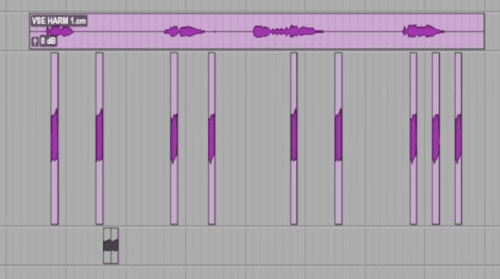
- Duplicate the lead vocal track and isolate the specific phrase or syllable you want to accentuate.
- Perform a “chop” on the audio clip, ensuring it is aligned perfectly to the session grid.
- Insert a delay plugin on the track and set it to a rhythmic subdivision (like 1/8th or 1/16th notes).
- Adjust the feedback and mix so the repetitions create a new “groove” that carries the listener into the next section of the track.
3. Adding Subtle Ear Candy
Ear candy is defined as those small, repetitive details that reward the listener and prevent a song from getting stale. These vocal snippets sit in the background to provide melodic and rhythmic interest without distracting from the lead narrative.
How to create background ear candy:
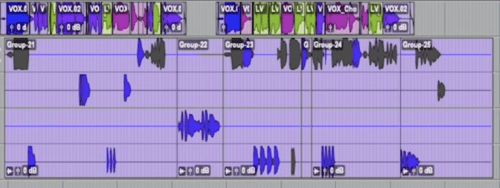
- Slice a tiny, interesting vowel or consonant from an unused take.
- Loop or repeat this snippet rhythmically underneath the main performance.
- Use reverb or ping-pong delays to push these chops far back into the stereo field.
- Focus on how these elements sit in between the main vocals to keep the listener’s ear engaged throughout the arrangement.
4. Creating “Hairy” Textures
Background vocals and harmonies do not always need to be pristine. Creating a slightly “hairy” or gritty texture is a great way to generate interest and push secondary vocals out of the way of the lead vocal.
How to add texture to background elements:
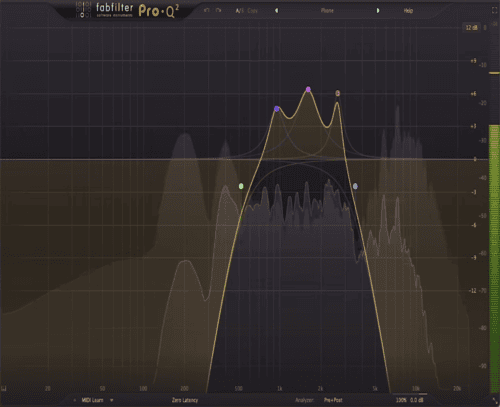
- Heavily process two background vocal tracks by narrowing the frequency range with EQ, squishing them with compression and adding saturation/distortion to turn them into low fidelity recordings.
- Pan one track fully left and the other fully to the right.
- Lower the volume to tuck these tracks away to the background of the mix.
- Allow these wide, heavily processed elements to serve strictly as a textural part of the track.
5. Introducing Spontaneous Adlibs and Musical Elements
Adding spontaneous vocal adlibs or extra musical phrases is great for keeping the energy of the song going. These elements humanize a song and create the illusion of a live performance.
How to use adlibs to enhance emotion:
- Search through raw takes for improvised runs, breaths, or laughs that convey genuine emotion.
- Place these adlibs in the gaps between major lead vocal phrases.
- Apply a heavy, lush delay to the adlib to draw the listener into the song’s atmosphere.
- Pan these elements wide to contrast with the center-panned lead, helping to build that immersive “audio landscape”.
Closing Takeaway
Outstanding vocal production is a result of “a thousand small decisions” made to serve the music. By building your tracks from the ground up, focusing on the emotional lead first, and then layering in rhythmic delays, ear candy, and “hairy” textures, you create a professional audio landscape.
These techniques ensure your vocals are not just heard, but are truly felt by the listener. If you’d like to learn more about music production be sure to check out our 6 weeks Production Intensive starting Tuesday May 5th!