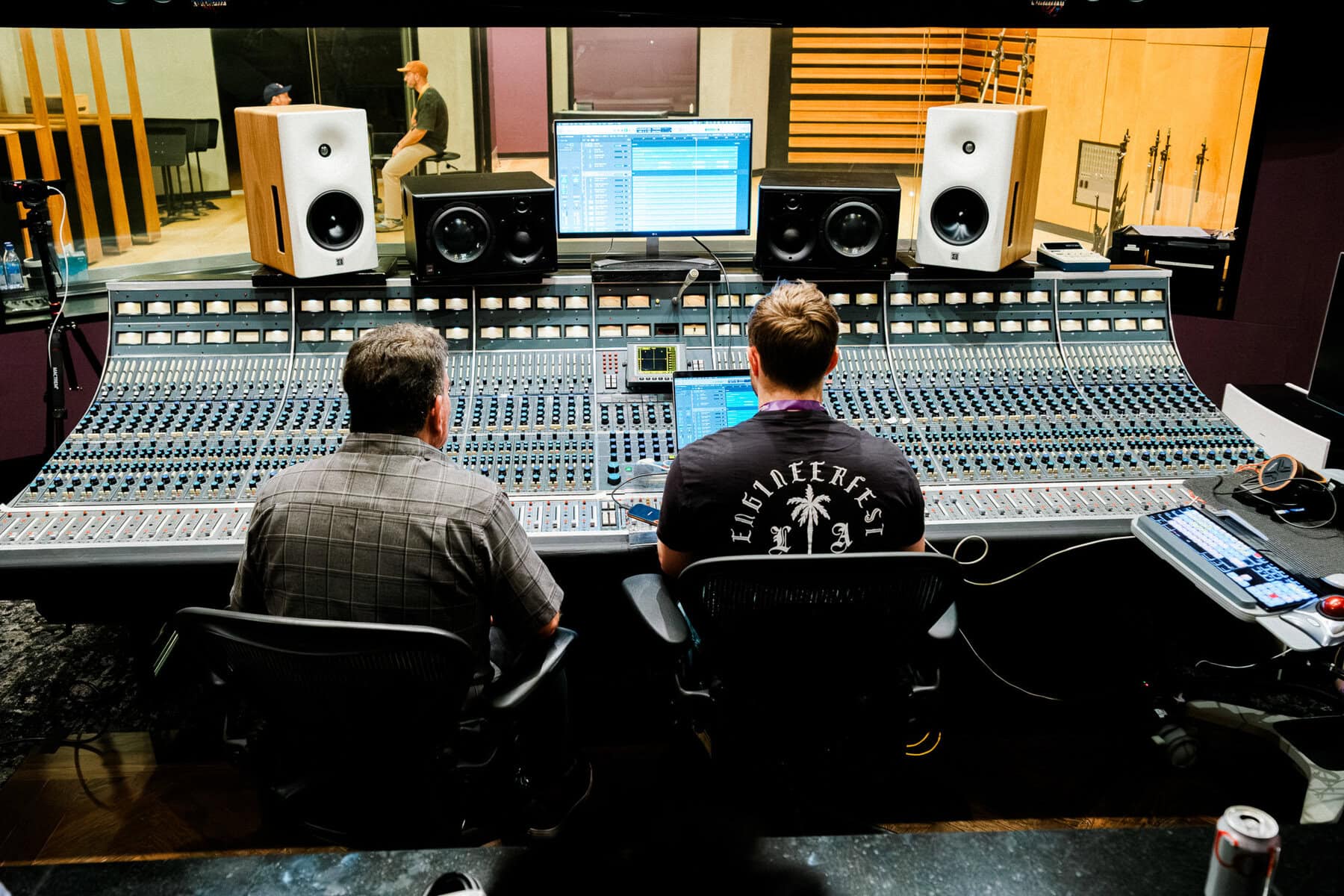


As we start to see more and more resonant suppressors pop up inside your regular EQ plugins (most notably Fabfilter putting it inside their main EQ under the Dynamics section) I want to talk about what the difference is between normal Dynamic EQ and this new Resonant Suppressor EQ-type, and most importantly when to use which.
Dynamic EQ vs Resonant Suppressor
To understand the difference, you need to look at how these tools interact with your music.
With a dynamic EQ, you pick a specific frequency band, set a volume threshold, and let the plugin react to it. It is predictable and strictly obeys your commands. If the vocal gets too muddy in the low mids during a loud chorus, you can tell your dynamic EQ to push that mud down only when it gets too loud.
A resonant suppressor operates differently. These tools use complex algorithms to hunt down hundreds of frequency spikes in real time. While you can choose a specific problem area, the plugin analyzes the entire sonic spectrum within your set area and smooths out harshness dynamically across countless tiny bands. It is a surgical tool designed to fix bad room acoustics or grating synth patches without killing the natural life of your track.
When to reach for a Dynamic EQ
Dynamic EQ is your tool for macro dynamics. You should reach for this tool when you need intentional dynamic control over specific frequencies. Here are three examples of what to use it for:
- Controlling the proximity effect: When a singer leans too close to the microphone during recording, the low end builds up. A dynamic EQ can tuck those low frequencies away only when the singer gets too close.
- Taming vocal frequencies: When you want control over the frequency range of harsh vocal consonants, a dynamic EQ is the tool to use, alongside or instead of a De-Esser.
- Making space for the kick drum: You can use a sidechain input on your dynamic EQ to carve out the bass guitar/synth frequencies every time the kick drum hits, keeping the low end tight, while keeping the grit of the bass sound in the mids and highs.
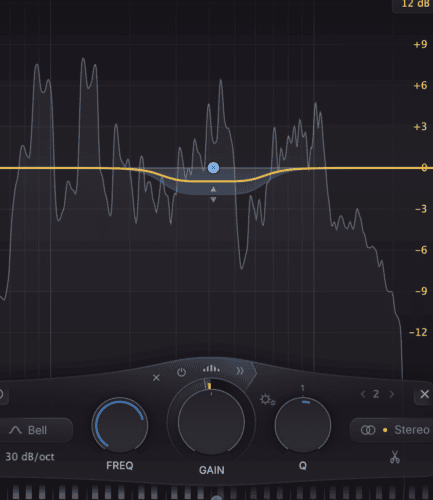
In this example I am using a dynamic EQ to tame a specific region with spikes in the vocal
When to rely on a Resonant Suppressor
Resonant suppressors are your micro dynamic tools. You should use them to clean up annoying frequencies only when they come up, without breaking the entire sound. Here are three examples of what to use it for:
- Taming cheap cymbals: Overheads recorded in an untreated room can feature a metallic ringing. A resonant suppressor will track and reduce those piercing overtones.
- Smoothing distorted guitars: Heavy electric guitars often contain tiny bits of digital clipping or annoying amp fizz. A smart EQ will transparently iron that out.
- Blending with other instruments: You can use a sidechain input on your Resonant Suppressor to carve out competing frequencies between instruments.
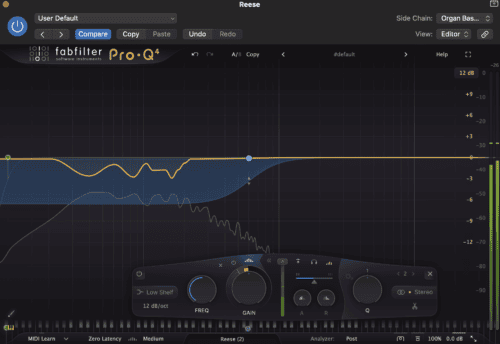
In this example I am using a sidechain-based resonant suppressor to make room in my constant reese bass for my rhythmic organ bass without unnecessarily losing character of the reese bass.
What to watch out for when using a Resonant Suppressor
It is very easy to overdo the use of a resonant suppressor. You want to make sure you keep the integrity of the sound you’re manipulating with it or your music will sound like it rolled right out of the first version of Suno.
Be especially cautious when using resonant suppressors on vocals. As humans we are used to how the human voice is supposed to sound. We instantly pick it up when there’s something weird going on with vocals.
To avoid pulling listeners out of your song, I recommend always dialling back the effect a little more than you think you need, just to be sure.
The Final Takeaway
Resonant suppressors are brilliant for cleaning up annoying frequencies that ruin an otherwise great recording, while Dynamic EQs remain the best choice for performance based control. Now you know when to use which, your music production workflow will likely yield cleaner mixes. Are you going to try them in your next mix?