
Today, we’re going to talk about Sidechaining. But instead of sidechaining the bass to the kick, we will be using “ghost” (muted) trigger tracks to create special rhythmic effects. I will show you how to trigger gates, compressors, or even EQs from sounds the listener never hears to create complex rhythmic movement and surgical space in a dense arrangement.
By decoupling the trigger from the audible mix, you gain absolute control over the groove. You are no longer at the mercy of the actual kick drum’s decay or the snare’s transient. You are creating a “command track” that dictates exactly when and how your instruments should breathe.
Why Go “Ghost”?
The primary limitation of traditional sidechaining is that the effect is tied to an audible element. If your kick drum has a long, boomy tail, your bass will duck for that entire duration, often sucking the energy out of the low end.
By using a ghost trigger, usually a short, percussive sample like a white noise burst or a rimshot, you can trigger the compressor with surgical precision. This allows you to tighten the “pump” or create rhythmic syncopation that doesn’t actually exist in the drum part. It is the secret to getting that polished, professional “breathing” effect found on top-tier Spotify playlists without making the mix feel muddy or over-compressed.
The G.H.O.S.T. Method for Perfect Pumping
To implement this effectively in your DAW, follow these steps to ensure your triggers are clean and your movement is intentional.
-
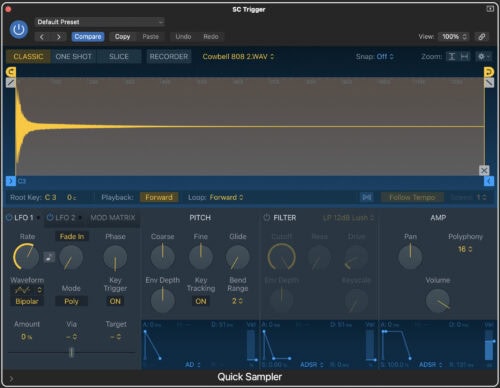
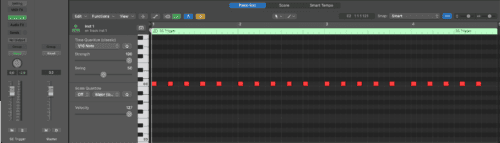
Generate the Trigger: Create a new MIDI track and insert a sampler with a very short, “clicky” sound. A short 808 cowbell or a 10ms burst of noise works best because the fast transient ensures the sidechain reacts instantly.
-
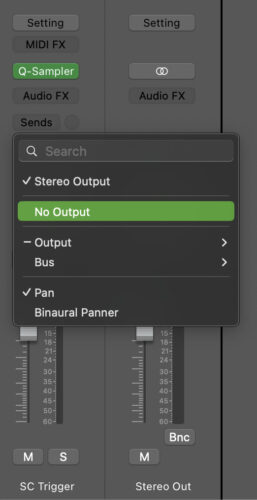
Hide the Source: Route the output of this track to “No Output” or a muted bus. The plugin needs to pick up the signal, but your listeners do not.

-
Orchestrate the Pattern: Draw in a MIDI pattern that complements your groove. You don’t have to follow the kick. You can place triggers on the off-beats to create a “pumping” synth pad that feels like it’s being pulled by an invisible thread.

-
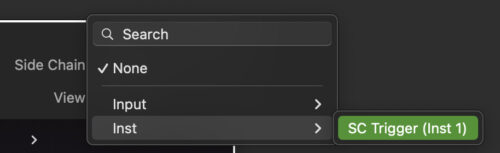
Send the Signal: Use a bus or a direct sidechain input on your target plugin (compressor, gate, or dynamic EQ).

-
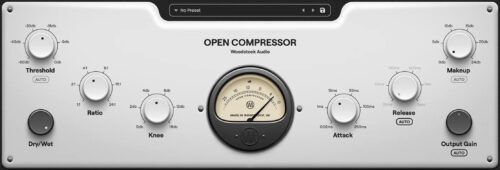
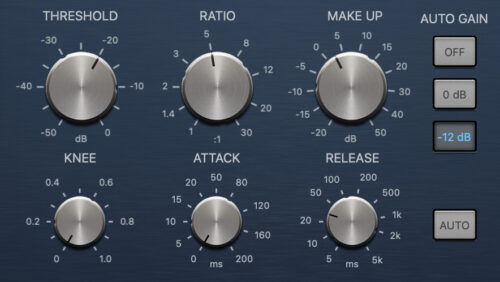
Tweak the Envelope: Use the Attack and Release settings on your plugin to shape the “breath.” A fast attack and a tempo-synced release will make the track feel like it’s dancing. But these settings really depend on the application you’re using this technique on.

Creative Applications Beyond Kick & Bass
While ducking the bass with the kick drum is the standard, ghost triggers excel in more “invisible” roles.
The Original
Align a ghost trigger on every kick hit and send it to a compressor or dynamic EQ on your bass track. You now have a traditional sidechain setup, but with control over the length of the trigger. This approach is useful when your orchestration has a big kick, but you only want to duck the bass on the transient.
Surgical Spaces
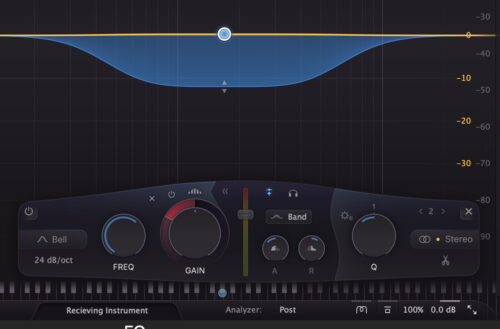
Try placing a ghost trigger on every snare hit and sending it to a dynamic EQ on the guitar bus and/or any instrument in that frequency range. This carves out a split-second hole in the midrange for the snare to “pop” through without the listener hearing a blatant volume dip. You can even use this technique subtly with your lead vocal as the trigger and dynamically carve out space for the vocal in a dense arrangement.
Rhythmic Gates for Texture
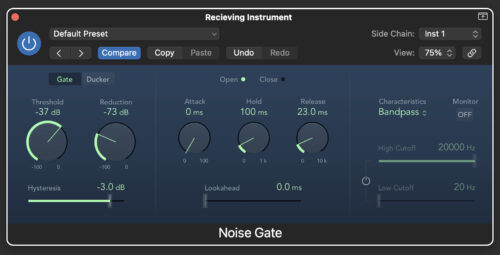
Send a ghost trigger to a Gate plugin on a long synth drone or pad. This transforms a boring sound into a percussive, rhythmic element that perfectly matches the timing of your track, even if the drums change later in the arrangement. A classic example of this is the “trancegate” effect, often used on pads in EDM.
Closing Takeaway
When you stop relying on your audible drums to move your mix, you unlock a new layer of rhythmic intentionality. It allows you to maintain a rock-solid low end while giving your mid-range instruments a sense of life and motion that feels natural, professional, and exciting.